
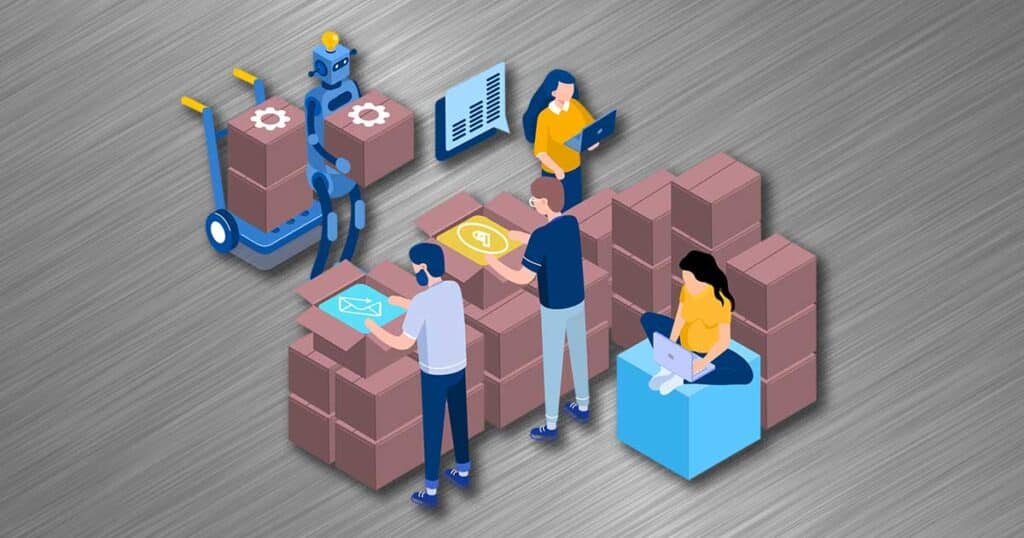
Managing inventory during an economic slowdown can be challenging. Here are strategies that can help you do this effectively.
1 Monitor and analyze sales data
Regularly analyze your sales data to identify trends and patterns. This will help you understand which products are selling well and which are not. Focus on stocking the items with higher demand to optimize your inventory levels.
2 Implement just-in-time (JIT) inventory
Just-in-time inventory management aims to minimize excess inventory by ordering goods to arrive just before they are needed. This approach helps reduce carrying costs and the risk of holding excess inventory during a slow period.
3 Negotiate favorable terms with suppliers
During an economic slowdown, each out to your suppliers and negotiate flexible terms. This can include adjusting order quantities, extending payment terms or exploring consignment arrangements. Open communication with suppliers is crucial for managing inventory effectively.
4 Optimize inventory reordering
Set up automated inventory replenishment systems based on predetermined reorder points and lead times. This ensures you have sufficient stock on hand without excessive overstocking during a slow period.
5 Offer special promotions or bundles
Create attractive promotions or bundle offers to stimulate customer demand. Consider offering discounts or package deals to increase sales.
6 Improve inventory forecasting
Enhance your inventory forecasting methods by taking into account economic indicators and market trends. By accurately predicting demand, you can adjust your inventory levels accordingly, preventing excess stock or shortages.
7 Cultivate supplier relationships
Build strong relationships with your suppliers to negotiate better terms, receive preferential treatment during shortages or take advantage of special deals. A good rapport with suppliers can help secure inventory at competitive prices and ensure a steady supply during an economic slowdown.
8 Explore drop shipping or consignment
Consider partnering with suppliers who offer drop shipping services or consignment arrangements. This allows you to expand your product range without investing in additional inventory upfront. This reduces the risk of excess stock during a slow period.
9 Optimize store layout and visual merchandising
Evaluate your store layout and visual merchandising to encourage sales. Arrange products strategically to highlight best-selling items or promote complementary products.
10 Leverage technology and analytics
Utilize inventory management software and analytics to streamline your inventory process. These tools can provide valuable insights into inventory turnover, demand forecasting and identifying slow-moving or obsolete items that need attention.
The bottom line
Regularly reassess and adjust your inventory management strategies based on the changing economic conditions. Stay proactive and flexible and maintain open lines of communication with suppliers and customers to successfully navigate an economic slowdown.